Introduction: The Switzerland Nobody Warned You About
There is a moment — and you will know it when it arrives — when you step off the train at Locarno station and feel the air shift. Something changes. The cool, orderly precision of German-speaking Switzerland dissolves behind you, and in its place comes warmth: a Mediterranean warmth, unhurried and golden, that settles over your shoulders like a linen scarf. Palm trees line the promenade. The lake shimmers in shades of pewter and jade. Somewhere nearby, a church bell rings across the old town, and the smell of espresso and fresh bread drifts from an open doorway.
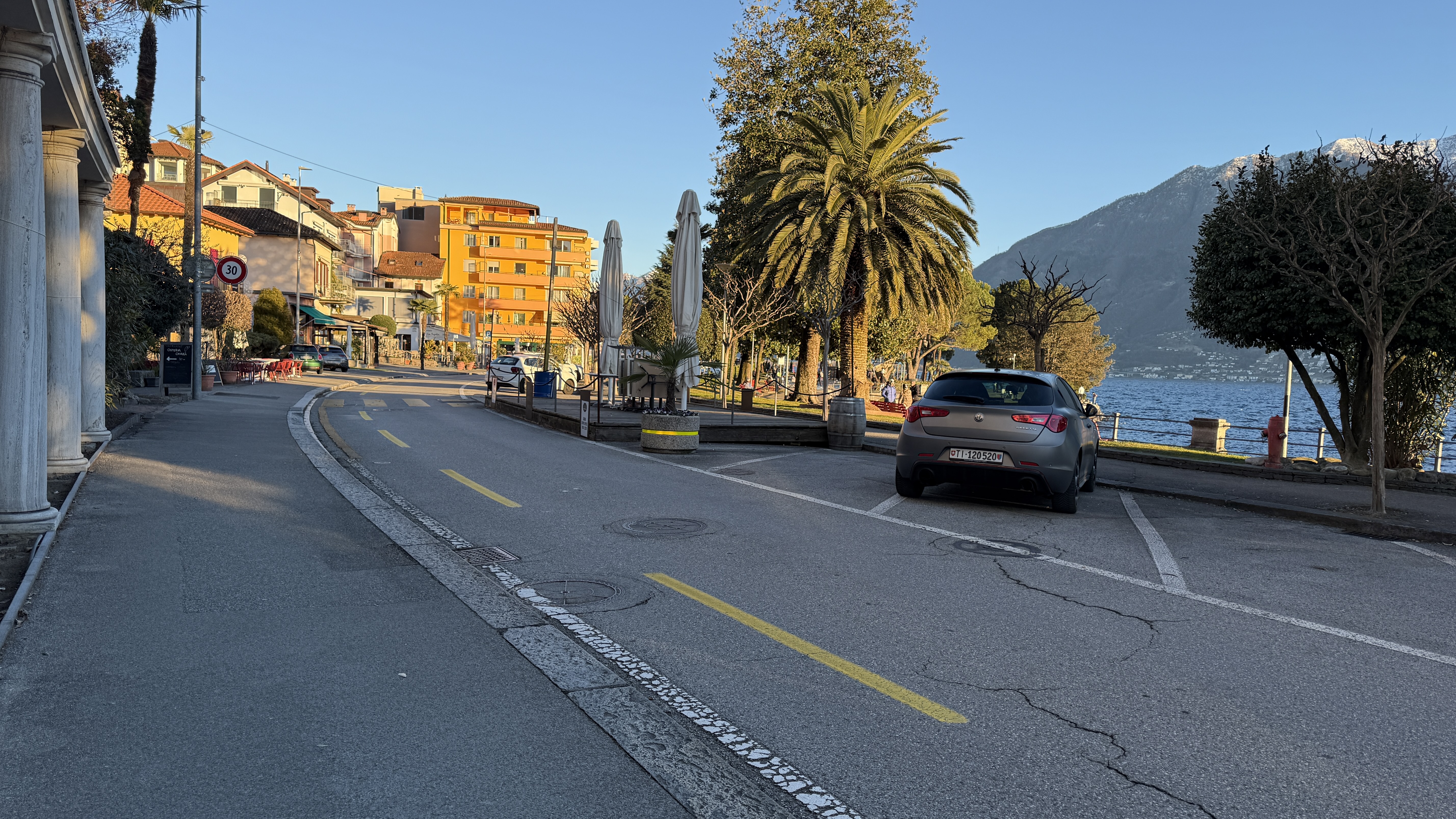
You are still in Switzerland — your map confirms it, the franc in your pocket confirms it — and yet everything feels different here. This is Ticino, Switzerland's southernmost canton, a place where the language is Italian, the light is Mediterranean, and the pace of life is something the rest of the country seems to have quietly forgotten.
Locarno and Ascona sit at the northern tip of Lake Maggiore, pressed between alpine peaks and the glittering expanse of one of Europe's most romantic lakes. They are neighbours separated by only five kilometres, yet each carries its own distinct personality. Locarno is vibrant and cinematic — home to one of the world's oldest film festivals and a piazza that feels designed for lingering. Ascona is intimate and painterly, a village of cobbled lanes and waterfront cafés that has drawn artists, writers, and free spirits for over a century.
Together, they form the most unexpected and quietly magnificent corner of Switzerland. This is not the Switzerland of ski resorts and cuckoo clocks. This is the Switzerland that nobody warned you about — and the one you will never stop thinking about.
Why Visit Locarno and Ascona?
Switzerland spoils its visitors for choice. The Bernese Oberland has the Eiger. Zermatt has the Matterhorn. Graubünden has Davos and St. Moritz. But Locarno and Ascona offer something altogether rarer: warmth, in every sense of the word.

A Climate Unlike Anywhere Else in Switzerland
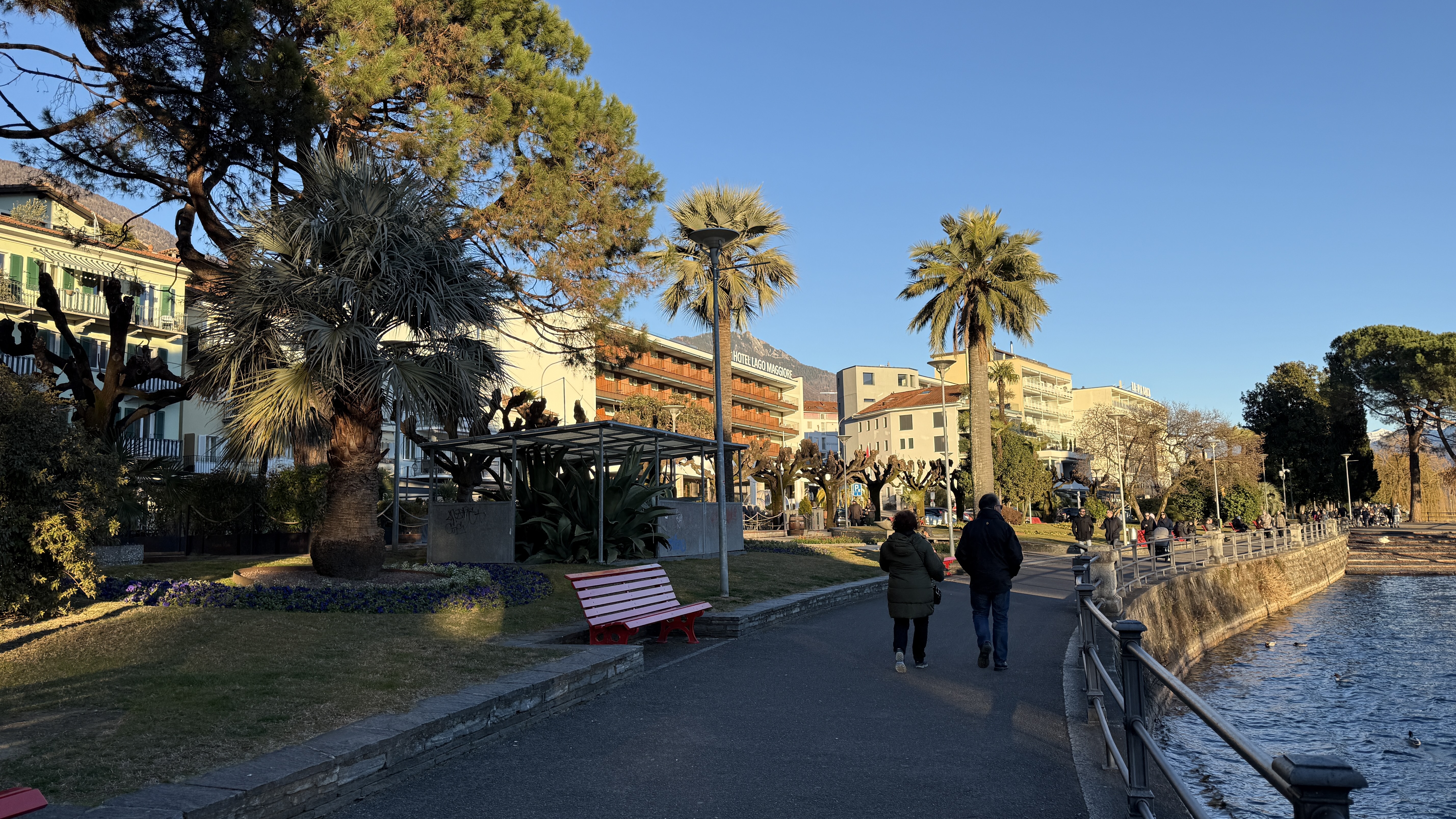
With over 2,300 hours of sunshine per year, Locarno is the sunniest town in Switzerland — a fact that feels almost scandalous given the country's reputation for grey mountain weather. The climate here is genuinely Mediterranean: mild winters, long golden summers, and springs that arrive weeks earlier than in the rest of the country. Camellias and azaleas bloom in February. Oleander lines the lakeside promenade by April. By June, the entire region feels like a Riviera that simply forgot to be French.

A Cultural Identity All Its Own
Ticino was part of the Swiss Confederation from 1803, but its soul was shaped by centuries of Italian influence. The architecture, the cuisine, the language, the gestures — all of it leans south. In Locarno's old town, shuttered windows open onto washing lines strung between apricot-coloured buildings. In Ascona's waterfront piazza, elderly men play chess in the shade of mulberry trees. The pace of life here is slower, richer, more sensory. It demands that you sit down, order something cold, and simply look.

Nature at Its Most Cinematic
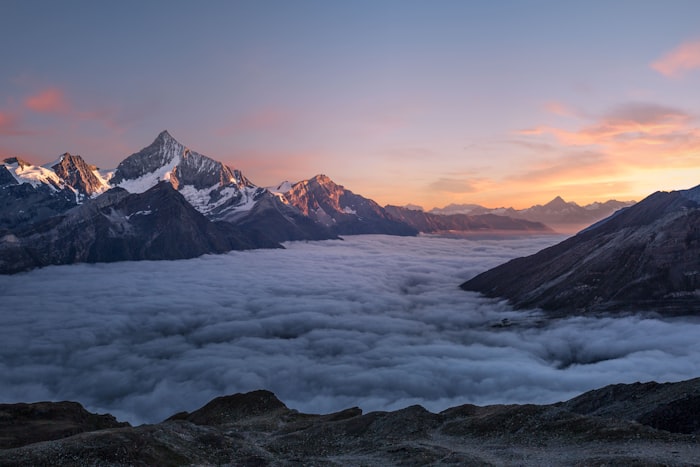
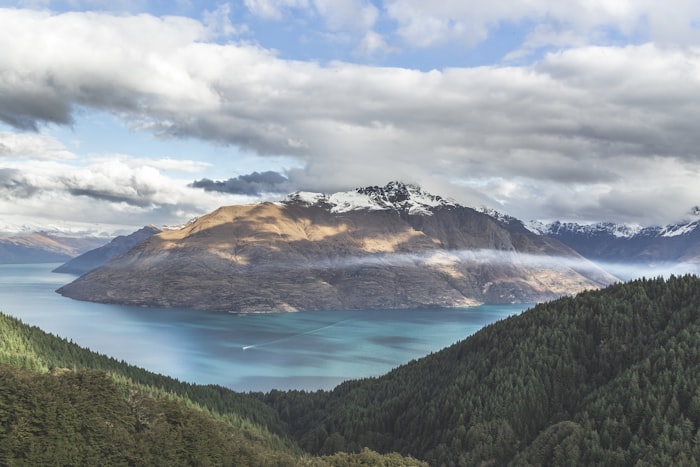
The setting of Lake Maggiore is operatic in its grandeur. The water is vast and moody, capable of turning from glassy silver to deep cobalt within the span of an afternoon. Behind the lakeside towns, the mountains rise in layers — forested slopes giving way to rocky ridges, snowfields glinting at altitude even in summer. From Cardada and Cimetta, the hills above Locarno, you can see the entire lake laid out below you like a geography lesson, with the Brissago Islands floating like green jewels just offshore.

How to Get There
By Traing
Arriving by train is not just the practical choice — it is the correct choice. The journey through the Gotthard Rail Corridor is one of the great train experiences in Europe, descending from the high alpine world of Airolo through the Val Leventina, where waterfalls cascade beside the tracks and the landscape changes from granite-grey to green within the space of an hour.
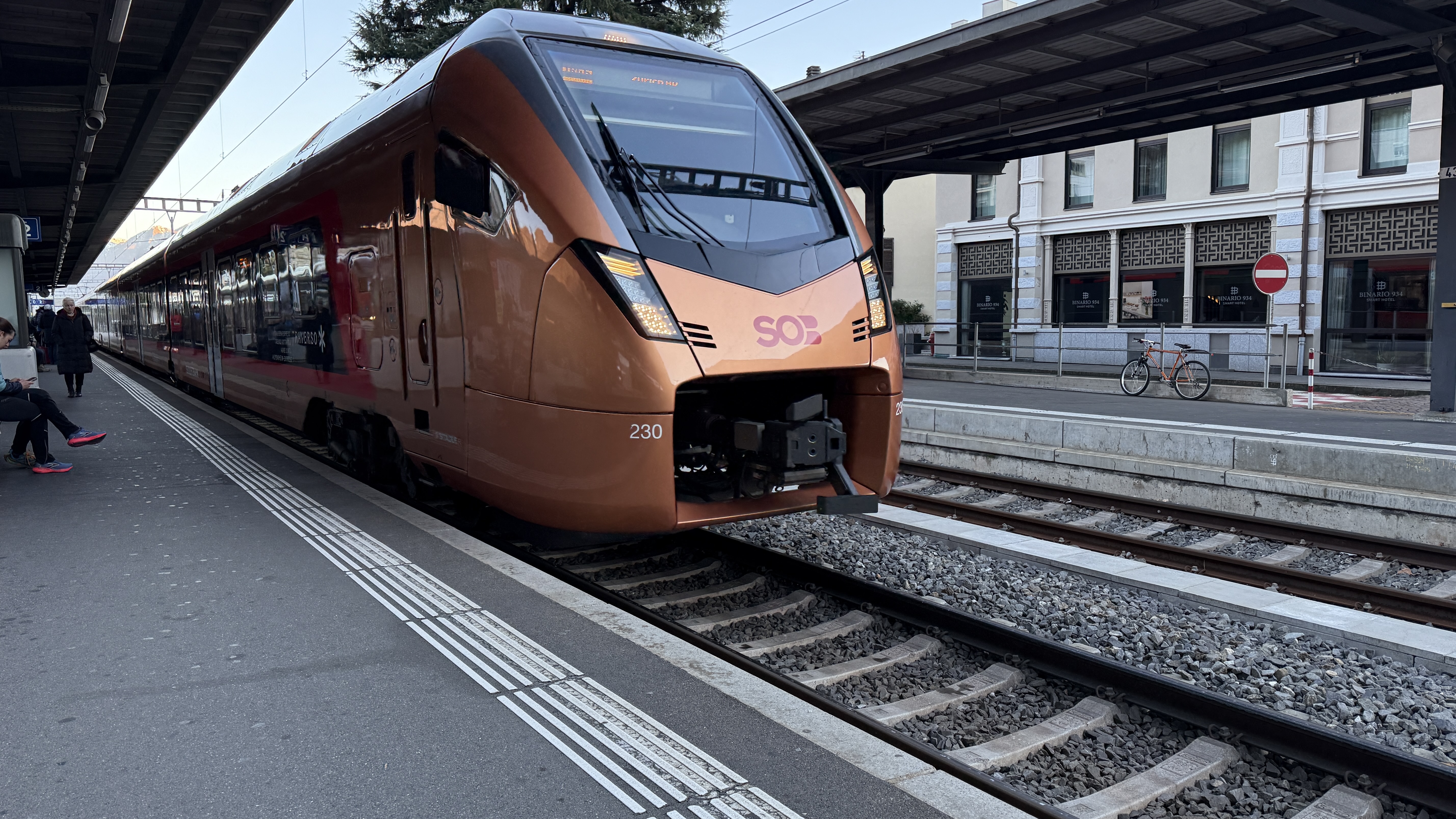
From Zürich, the journey takes approximately two hours and fifteen minutes via Bellinzona, changing there for Locarno. From Lugano, it is a short regional connection of around fifty minutes. If you are travelling from Italy, the journey from Milan takes roughly two hours. Locarno's station sits close to the town centre, and the historic Centovalli Railway — one of Switzerland's most beautiful narrow-gauge lines — departs from here towards the Val Centovalli and on to Domodossola in Italy.
The Swiss Travel Pass covers travel throughout Ticino and includes the boats on Lake Maggiore — an indispensable investment for any trip to this region.
By Car
If you are driving from northern Switzerland, the A2 motorway through the Gotthard Tunnel (or the spectacular Gotthard Pass in summer) brings you into Ticino. From Bellinzona, the A13 continues towards Locarno in approximately twenty minutes. Parking in Locarno's town centre is limited; the Piazza Grande underground car park is the most convenient option, and from Locarno you can reach Ascona by local bus or taxi in under fifteen minutes.
Best Time to Visit
Spring (April – June): The Region at Its Most Beautiful
Spring in Locarno is a revelation. The camellias on the hills of Orselina bloom in shades of crimson and blush. The lake, still cool from winter, reflects an immaculate blue sky. The crowds of summer have not yet arrived, and the old towns feel genuinely local — espresso bars filled with Ticinesi, markets selling the first strawberries, the scent of wisteria drifting through the alleys of Ascona's old quarter.
Late May and early June mark the absolute sweet spot: warm enough for lake swimming, clear enough for mountain hiking, and quiet enough to actually feel the soul of the place.
Summer (July – August): High Season at the Lake
July and August bring the fullness of summer — and the International Film Festival in August transforms Locarno's Piazza Grande into an open-air cinema for 8,000 people, one of the most extraordinary cultural experiences in Europe. The lake is warm, the terraces are full, and the evenings are long and golden. This is the most social and vibrant time to visit, though accommodation must be booked well in advance and prices reflect the season.
Autumn (September – October): The Underrated Season
Autumn is perhaps the most underrated time of year in the region. The summer crowds thin, the light turns amber and painterly, and the chestnut forests above the lake glow in shades of rust and gold. The lake is still warm enough to swim in early September, the hiking is superb, and the restaurants begin to serve the hearty autumn menus — polenta with wild mushrooms, venison stew, chestnut tarts — that remind you that this is also, at heart, Swiss mountain country.
Winter (November – March): Quiet and Contemplative
Winter in Locarno is mild by Swiss standards — snowfall in the town itself is rare — and it has a quiet, introspective beauty. The Christmas market on Piazza Grande is atmospheric, the museums and galleries are open, and the hotels offer significantly reduced rates. For those who want the town without the crowds, and don't mind a certain melancholy in the off-season light, winter visits are genuinely rewarding.
Final Thoughts
There is a particular quality of late afternoon light on Lake Maggiore — a light that seems to thicken and warm as the hours move towards evening, turning the water from blue to amber and the mountains to silhouette — that is found nowhere else in Switzerland. You will sit with it somewhere along the Ascona waterfront, a glass of Ticinese wine in your hand, the sounds of Italian floating across from the table beside you, and you will feel something unravel inside you. Something that had been held tight without your noticing will simply let go
This is what Locarno and Ascona do, quietly and without announcement. They remind you what travel is actually for — not the accumulation of sights and monuments, but the experience of being somewhere so completely itself that it changes, however slightly, who you are. Ticino is Switzerland at its most human: warm, sensory, rooted in a landscape and a culture that cannot be replicated anywhere else.
Gallery
Lakes & Reflections



Follow the Journey
More Switzerland, posted daily — between the guides.
Follow @shillow.travel on Instagram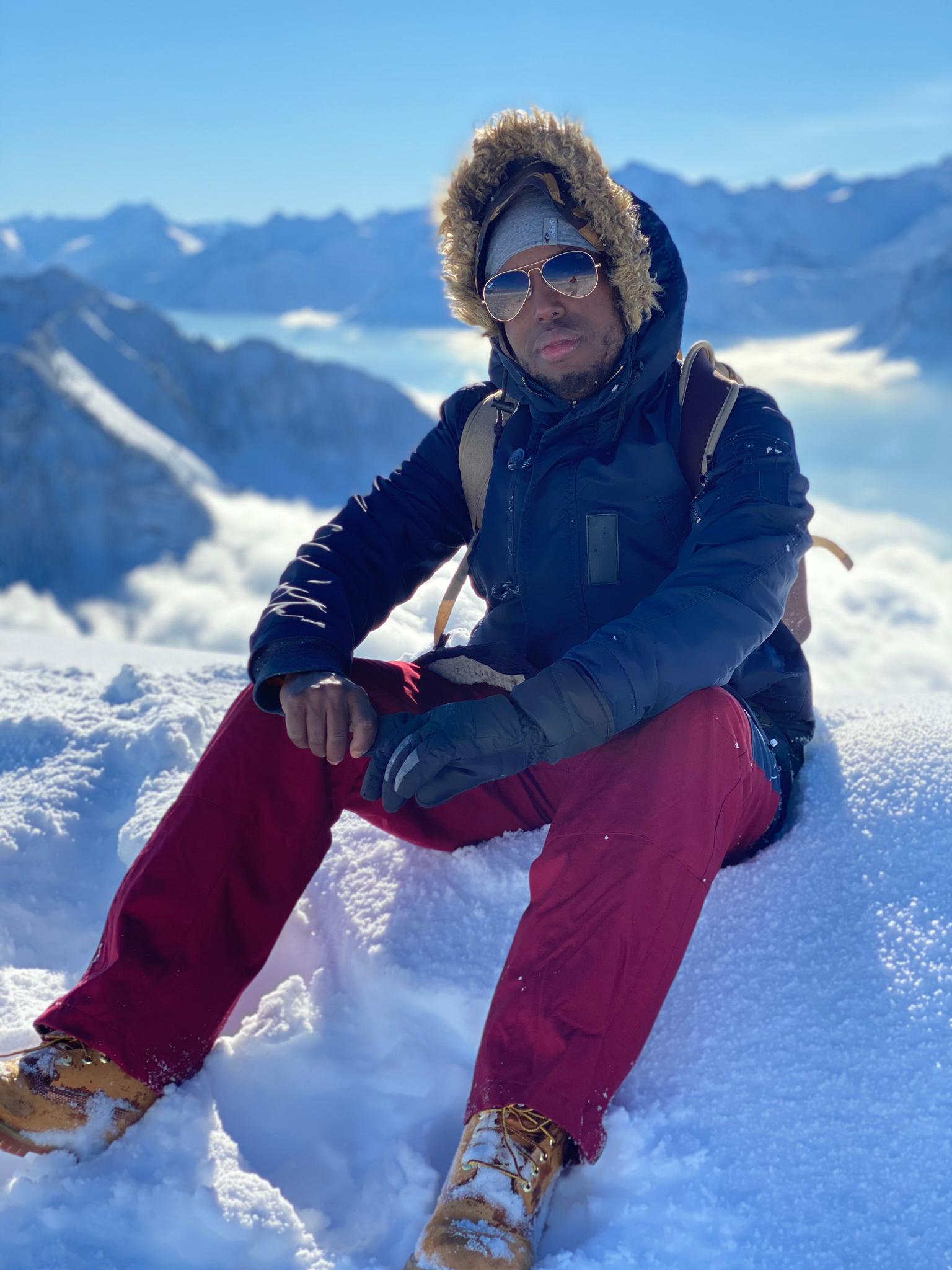
Abdi is a Somali-Swiss travel writer and Hiker based in Zürich.